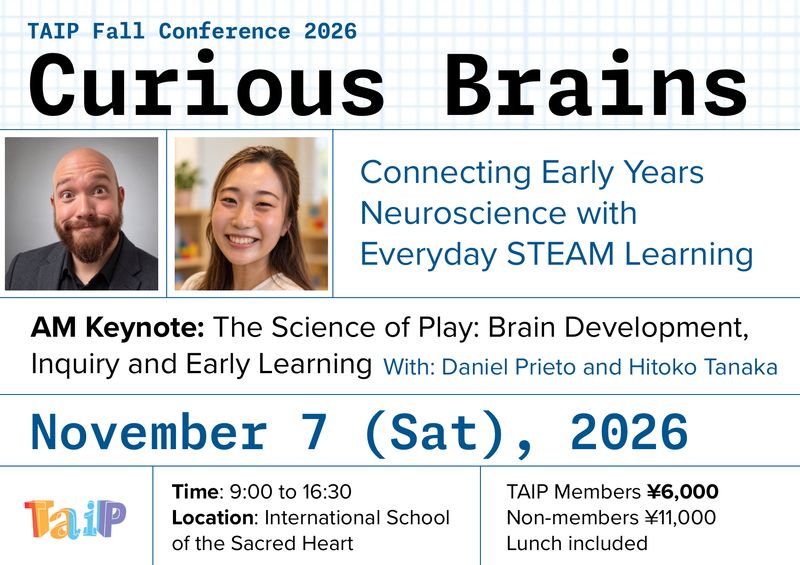
The TAIP Fall Conference 2026 brings together educators from across Tokyo's international school community to explore the science behind how young children learn, and how to bring more science into everyday Early Years classrooms.
- Date: Saturday, November 7, 2026
- Time: 9:00 AM to 4:30 PM
- Location: International School of the Sacred Heart, 4-3-1 Hiroo, Shibuya-ku, Tokyo
- Format: In-person keynote and hands-on workshops
- Fees: TAIP Members ¥6,000 per person, Non-members ¥11,000 per person
- Certificate: 5 hours of professional development
- Lunch: Included, provided by Kiwi Kitchen, with a choice of chicken or vegetarian
The morning focuses on the science of Early Years learning: what neuroscience tells us about how young children think, explore, and make sense of the world. The afternoon turns to practice, with hands-on activities and practical ideas you can take straight back to your classroom.
Conference Schedule
Morning Keynote: The Science of Play: Brain Development, Inquiry and Early Learning
What is really happening when a child builds, experiments, negotiates, struggles, redesigns and tries again?
Daniel Prieto and Hitoko Tanaka, Tokyo West International School
The Science of Play explores the learning beneath everyday Early Years play. By connecting neuroscience and child development with authentic classroom practice, Daniel and Hitoko examine how play supports executive function, language, emotional regulation, movement, social interaction, creativity and early scientific thinking.
The central question is not simply whether children should play, but how educators can learn to see, understand, document and intentionally extend the learning already happening through play while protecting children's curiosity and agency.
Daniel brings a neuroscience and developmental lens to the everyday experiences of play, inquiry, collaboration and problem-solving, while Hitoko brings the Early Years classroom and leadership lens, grounding the session in authentic practice and children's learning. Together, they offer educators a fresh perspective on why play is such a powerful foundation for early learning, and practical ideas to bring play-based inquiry to life in their own classrooms.

Hands-On Sessions
Three hands-on sessions give participants the chance to try activities as learners, then think about how to adapt them for their own children and classrooms. Choose one workshop in each session. Once you have registered, we will send you a form to choose your afternoon workshops.
Session 1: 1:00 PM to 1:45 PM (Choose one)
Drawing On Da Vinci: Art & Science In Your Classroom (& Beyond)
Divya Marie Kato FRSA, Atelier Kato Tokyo
Location: Cafeteria
Art and science naturally overlap. Both are ways of investigating the world, and both bring ideas and hypotheses to life where mind and hand come together. This workshop explores the relationship between art and science over time, with tips and tricks from twenty years of championing this creative collaboration in studios across Japan. Come and discover what the A in STEAM truly stands for, so you can stand up for it too!
Making the Invisible Visible: Exploring Physics, Provoking Wonder
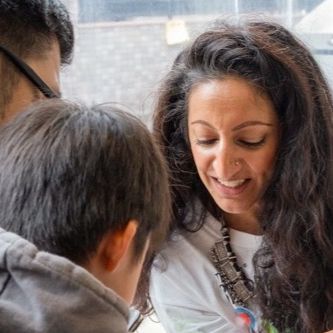
Evi Troizi
Location: Library
From rolling balls to shifting shadows, children are always building theories about the world around them. In this workshop, Evi invites educators to explore how young learners form ideas about the physical world, and how thoughtfully designed environments can spark wonder, investigation and representation.

Session 2: 2:00 PM to 2:45 PM (Choose one)
Beyond Language: What Would You Do, and How Would You Say It?
Miyuki Kurihara and Tracy-ann Duru, Gogaku Kentei Kyoukai (LPTA)
Location: Library
Through realistic scenarios involving children, families and colleagues, this interactive workshop explores not only what we would do, but how we communicate it clearly, respectfully and professionally. Tracy-ann and Miyuki also invite participants to consider what may change, and what may stay the same, across languages and cultural contexts.

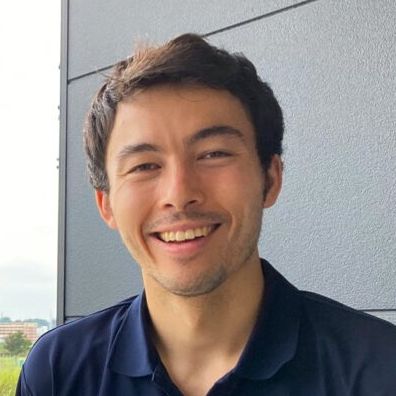
Learning Differences, Executive Functioning Skills, and the Transition to Elementary School
Nikolai Kawabata Jessen-Petersen, Tokyo International Progressive School
Location: Main Room
The transition from preschool to elementary school can be difficult for students. Executive functioning skills, such as organization, time management, working memory and metacognition, are necessary for success in school. Students with possible learning differences may have greater challenges with these skills, and as a result, may find it harder to use their strengths effectively in school. Executive functioning skills can be developed and strengthened, and this workshop goes over how.
Session 3: 3:00 PM to 3:45 PM (Choose one)
Little Scientists, Big Ideas: Building Scientific Thinking Through Inquiry
Gia Caballa, Shinagawa International School
Location: Library
Gia is particularly interested in how inquiry-based learning can nurture children's thinking, curiosity and communication in the Early Years. In this workshop, she shares practical ways to help our youngest learners think like scientists, offering educators fresh ideas to bring into their own classrooms.

STEAM Beyond the Specialist: Making Transdisciplinary Learning Visible in the Early Years
Jasmine Costello, Shinagawa International School
Location: Cafeteria
In this hands-on workshop, Jasmine explores how specialist learning can become more connected, playful and purposeful. She shares her approach to play-based learning, inquiry and inclusion, and how she designs experiences where young children explore concepts in different ways, make choices, collaborate and show what they understand. Educators will leave feeling confident in the skills they already have, and curious about new ideas to try in their own classrooms.
Participants will experience three practical learning stations based around the Who We Are unit:
- Paper Doll Making: Design, Engineering & Identity
- Playdough Magic: Exploring the Senses & Materials
- Special Songs: Identity, Culture & Communication

Good to Know
- Getting there: There is no parking for cars or bicycles. Please use public transportation.
- Registration closes: November 1st at 5:00 PM